Few reefs in the world have a recovery story as remarkable as the one hidden beneath the waters of Cabo Pulmo . There is no need to exaggerate: the numbers, the history, and what you find while diving speak for themselves.
The only living coral reef along the entire North American Pacific coast, a UNESCO World Natural Heritage Site since 2005, and the marine area with the highest concentration of fish in the entire Gulf of California. All of this along a stretch of coastline with barely a handful of houses and just a few dive centers.
That is Cabo Pulmo. A destination that does not try to impress you: it simply does.
A little history worth knowing
Cabo Pulmo did not become what it is today by chance or simply because of a government decree. What is now one of the world’s most important diving destinations was saved by the community that lived there.
In the late 1980s, local fishermen saw the reef deteriorating due to overexploitation. A group of families originally from Cabo Pulmo, with support from the Autonomous University of Baja California Sur, asked the federal authorities to designate the area as a Protected Natural Area. In 1995, a 7,111-hectare marine reserve was created, and in 2000 it was granted National Park status.
The result is one of the best-documented marine recovery stories in the world: in less than 25 years, fish biomass in the park increased by more than 400%. This is not an invented figure. It is the example cited by many international organizations when discussing effective marine conservation.
What you will find underwater
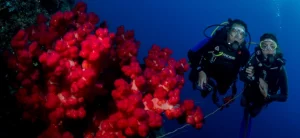
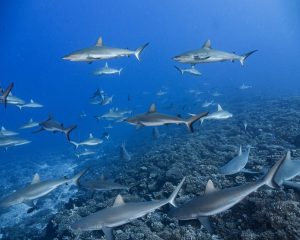
Cabo Pulmo is home to more than 700 marine species and 11 species of hard coral, but what truly defines diving here is the sheer scale of what you see. It is a reef where marine life surrounds you before you have even finished adjusting your mask.
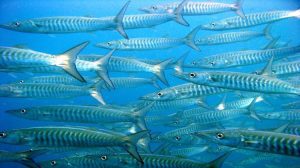
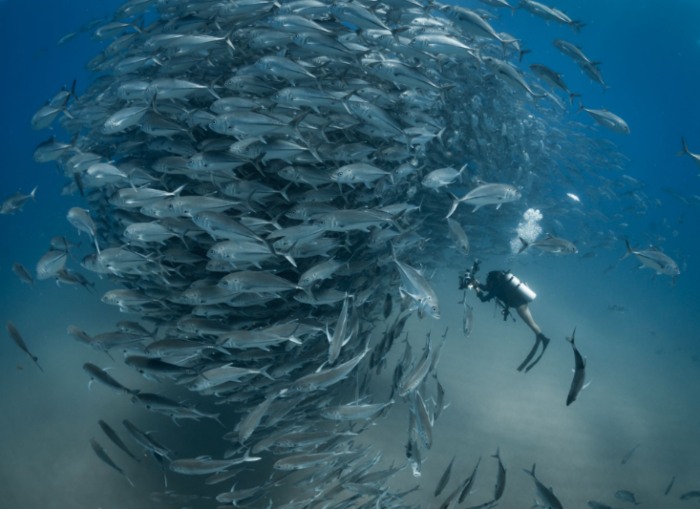
The jack tornado
The park’s best-known phenomenon. Thousands of jacks move in formations that block out the sunlight and stretch from the surface all the way to the bottom. You do not even need to descend beyond 5 meters to find yourself inside this swirling mass.
It can be witnessed for much of the year and remains one of the most recognizable sights in the Sea of Cortez.
Bull sharks at El Vencedor
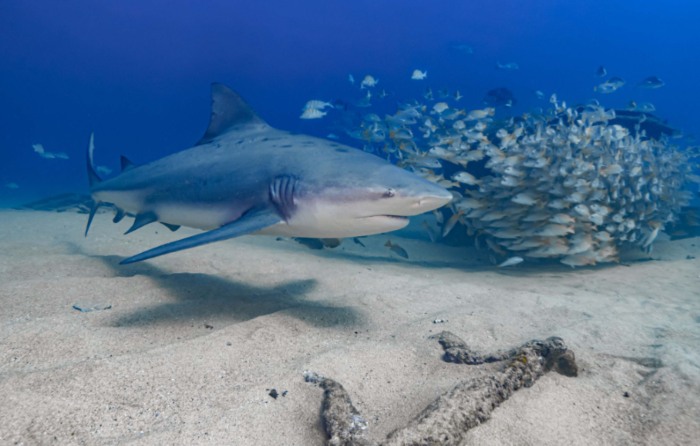
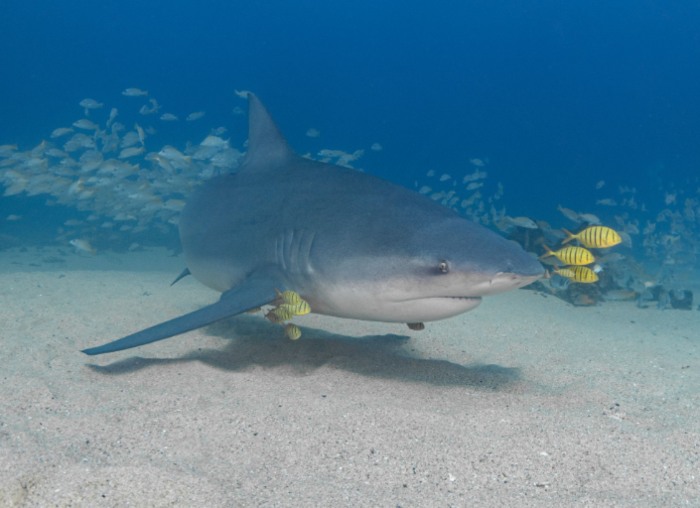
This is where people get nervous before entering the water and come back out with a smile that lasts for days. El Vencedor is a former 30-meter-long tuna boat that collided with the reef in 1981. What remains of its structure, at a depth of 16 meters, is now one of Mexico’s most sought-after dive sites for one very specific reason: bull sharks.
During the colder months, particularly from October to March, these predators gather around the wreck in numbers rarely seen at other destinations. There may be five, or there may be twenty. There are no guarantees, but during the season the chances of an encounter are among the highest in the world for this type of diving experience.
Something important to know before you go: El Vencedor has monthly visitor quotas. Once that limit is reached, the dive site closes for the rest of the month. It is not something dive centers advertise prominently, but it is a real restriction. If your dates are fixed and bull sharks are the main reason for your trip, it is best to book in advance.
Reef life throughout the rest of the year
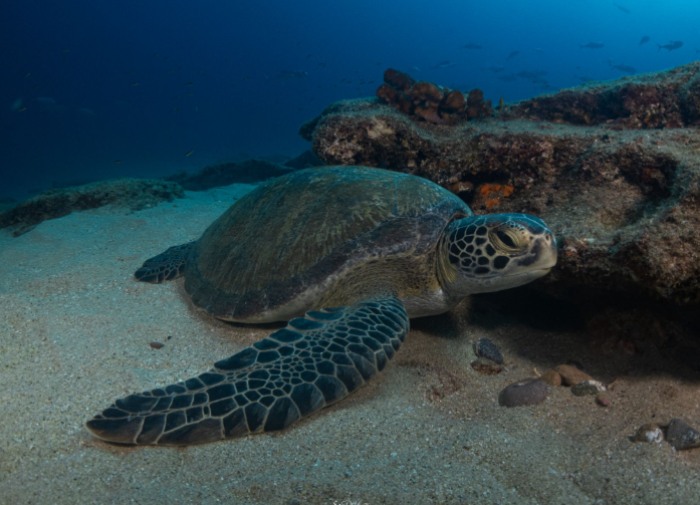
Outside bull shark season, the park still has plenty to offer. Leatherback, green, hawksbill, olive ridley, and loggerhead turtles all share the reef.
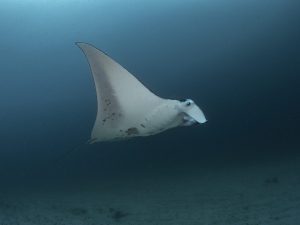
Huge groupers over rocky seabeds. Panamic green moray eels peeking out from crevices. Garden eels in the sand with only their heads showing. Rays resting on the bottom. Snappers, groupers, parrotfish, and angelfish.
Main dive sites
Cabo Pulmo has more than 15 dive sites spread across three bays: Las Barracas, Cabo Pulmo, and Los Frailes. The most visited are:
- El Vencedor: The park’s signature wreck. Bull sharks in season and established reef life throughout the year. Depth: 16 meters.
- El Bajo: A 500-meter-long reef divided by sandy channels. Seven types of coral and the highest concentration of fish in the park. Breeding rays in winter. Average depth: 16 meters.
- Los Morros: North of El Bajo, with the same rocky and sandy seabed but slightly colder water due to its proximity to the canyon. In winter, experienced divers can enjoy drift dives here, and on some occasions the current connects this site with El Bajo in a single dive.
- Las Casitas: The only caves in the park. Corals, turtles that have made the caves their home, and garden eels in the sand. Maximum depth: 16 meters.
- El Cien: Deeper and with less coral (around 30 meters), but with the possibility of encountering tuna, groupers, and bull sharks on occasional visits.
- La Esperanza: In the south of the park, for experienced divers. More pelagic activity, more unpredictable conditions, and a depth of around 20 meters.
When to go and what wetsuit to wear
Cabo Pulmo can be dived all year round, but each season has something different to offer:
October to December is the most complete season: excellent visibility (sometimes exceeding 30 meters), still-warm water (between 24 and 28°C), and bull sharks beginning to gather around El Vencedor. It is also the busiest time of year.
January to March is peak bull shark season. Water temperatures drop to between 18 and 22°C, so you will need a 5mm or 7mm wetsuit if you tend to feel the cold, but visibility remains good and encounters with these sharks are more predictable.
April to June is a transition season. Water temperatures gradually rise, visibility can be more variable, and the winter pelagic species begin to move away. There is less demand and fewer fully booked visitor quotas.
July to September brings the warmest water of the year (up to 30°C, with a 3mm wetsuit or Lycra suit often being enough) and good visibility. It is also hurricane season, so dives may occasionally be cancelled due to rough sea conditions.
Required level and practical tips
Most dive sites in Cabo Pulmo are suitable for Open Water divers, with depths that rarely exceed 18 meters at the most commonly visited sites. Locations such as El Cien or La Esperanza, which are deeper and have stronger currents, require an Advanced certification.
For bull shark diving specifically, it is advisable to have at least a few previous dives under your belt and good buoyancy control. This is not because of the sharks’ behavior, as they are generally calm and do not show aggression toward divers who move smoothly, but because the dive often involves moderate currents and maintaining good position in the water matters.
Cabo Pulmo is one of those destinations that helps you understand what can happen when a community decides to protect its sea rather than exploit it. Diving there is also, in a way, a recognition that this effort works.
If you want to keep exploring everything Baja California Sur has to offer, continue reading our articles about diving in Baja California Sur. The Sea of Cortez still has much more to show you.